Understanding the Role of Digital Signage Today
Why Businesses Are Investing in Digital Displays
Walk into any retail store, office lobby, or even a metro station today, and you’ll notice screens everywhere. These aren’t just decorative elements—they’ve become powerful communication tools. Businesses are investing heavily in digital displays because they grab attention faster than traditional methods. Studies show that digital displays can achieve significantly higher recall rates and better engagement compared to static advertising .
What makes this even more interesting is how these displays influence behavior. A well-placed screen can guide customer decisions, promote offers, and even reduce confusion in complex spaces. Think of it like having a silent salesperson working 24/7. The flexibility to update content instantly also gives businesses a huge advantage in today’s fast-moving environment.
How Digital Signage Has Evolved in 2026
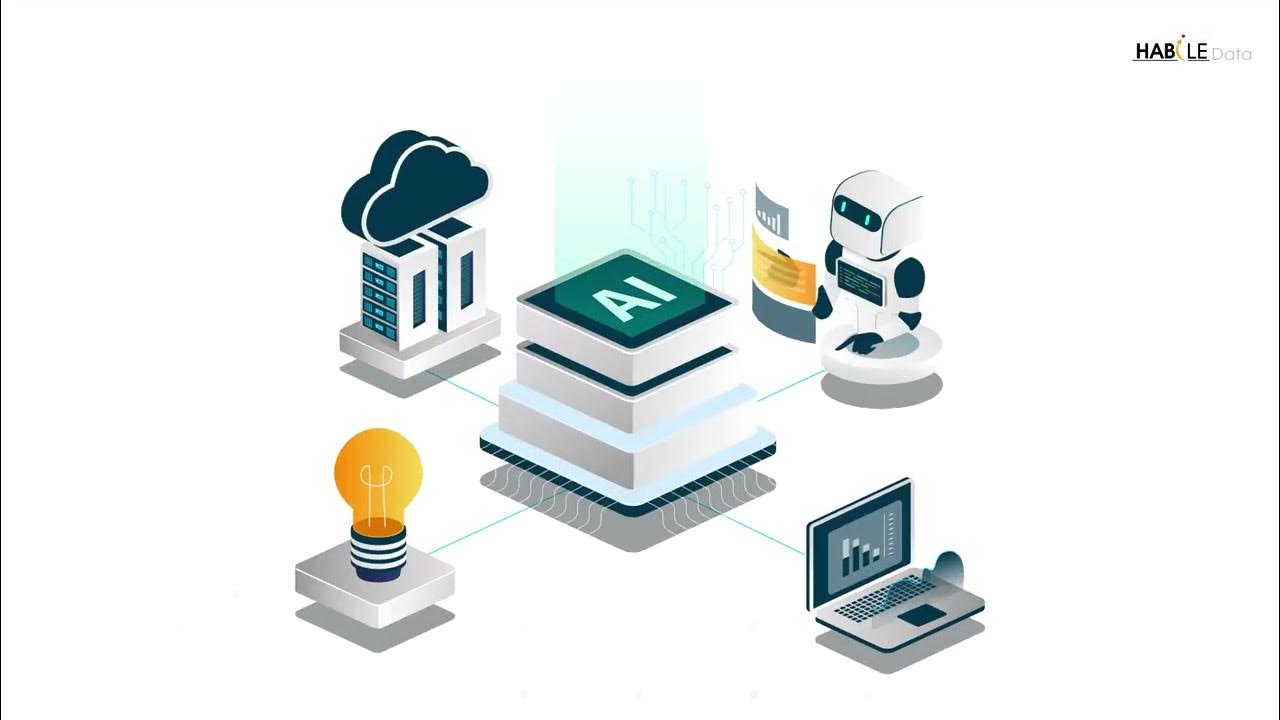
Digital signage is no longer just about playing looping ads. In 2026, it has transformed into an intelligent communication system powered by data, AI, and cloud platforms . Screens can now adapt content based on audience behavior, time of day, or even weather conditions.
Explore Here: https://www.avtsme.com/products/digital-signages
Imagine a display that changes promotions when it rains or highlights lunch deals during peak hours. That’s the level of smart integration businesses are working with today. This evolution means that simply installing screens is not enough—you need the right strategy to truly make an impact.
Tip 1 – Focus on Clear and Simple Messaging
Why Less Is More in Visual Communication
One of the biggest mistakes people make is overcrowding screens with too much information. When someone glances at a display, you only have a few seconds to capture attention. If your message isn’t instantly clear, it’s lost.
Think of your screen like a billboard on a busy road. Would you read a paragraph while driving? Probably not. That’s why short, bold messages work best. Stick to one idea per screen and make sure your text is easy to read from a distance.
Tip 2 – Use High-Quality Visual Content
The Power of Motion and Animation
Visual quality can make or break your signage. Bright colors, sharp images, and smooth animations instantly draw attention. People are naturally attracted to movement, which is why video content performs better than static images.
Modern displays are designed to showcase high-resolution visuals, so using low-quality content defeats the purpose. Investing in good design is not an expense—it’s a necessity. It’s like dressing your brand in premium clothing; first impressions matter.
Tip 3 – Keep Content Fresh and Updated
Scheduling Content Smartly
Outdated content is one of the fastest ways to lose credibility. Imagine seeing a promotion that expired weeks ago—it immediately creates a negative impression.
With cloud-based systems, updating content has become easier than ever. Businesses can now schedule content remotely and manage multiple screens from a single dashboard . This means you can plan campaigns in advance and ensure your messaging stays relevant at all times.
Tip 4 – Place Screens Strategically
Location Matters More Than You Think
Even the best content won’t work if your screen is in the wrong place. Positioning plays a crucial role in visibility and engagement.
High-traffic areas like entrances, waiting zones, and checkout counters are ideal spots. You also need to consider viewing angles and lighting conditions. A screen placed too high or in direct sunlight might go unnoticed, no matter how good the content is.
Tip 5 – Make It Interactive
Engaging Users with Touch and Motion
Interactive displays are becoming increasingly popular, and for good reason. They encourage users to engage rather than just watch. Whether it’s a touchscreen kiosk or motion-based interaction, these features create a more memorable experience.
Interactive signage also improves efficiency by guiding users and answering common questions. It reduces the need for staff intervention while enhancing the overall experience .
Tip 6 – Personalize Content Using Data
How AI Is Changing Content Delivery
Personalization is the future. AI-powered systems can analyze audience behavior and adjust content in real time. This means your messaging becomes more relevant and impactful.
For example, a display in a retail store can show different content based on the time of day or customer demographics. This level of customization increases engagement and improves conversion rates.
Tip 7 – Optimize for Viewing Time
Designing for Short Attention Spans
People don’t stand in front of screens for long. Most viewers only glance for a few seconds, so your content needs to deliver the message quickly.
Use large fonts, minimal text, and clear visuals. Break information into short segments and ensure each slide communicates one key idea. It’s all about making your message easy to absorb at a glance.
Tip 8 – Maintain Consistent Branding
Building Trust Through Visual Identity
Consistency builds trust. Your signage should reflect your brand’s colors, fonts, and tone across all screens. This creates a unified experience and strengthens brand recognition.
When customers see consistent visuals across different locations, it reinforces credibility and professionalism. It’s like seeing the same signature style everywhere—it becomes familiar and trustworthy.
Tip 9 – Measure Performance and Improve
Using Analytics for Better Results
You can’t improve what you don’t measure. Modern signage systems come with analytics that track engagement, dwell time, and performance.
These insights help you understand what works and what doesn’t. Maybe a certain type of content gets more attention, or a specific location performs better. Use this data to refine your strategy and maximize results.
Tip 10 – Ensure Technical Reliability
Importance of Maintenance and Software
A blank or malfunctioning screen can damage your brand image instantly. Regular maintenance and reliable software are essential to keep everything running smoothly.
Cloud-based platforms reduce technical issues by offering automatic updates and remote monitoring. This ensures your screens are always active and performing as expected.
Conclusion
Digital signage has come a long way from simple display screens to intelligent communication tools. With advancements in AI, cloud technology, and interactive features, it’s now a powerful way to connect with audiences in real time. Businesses that use it strategically can improve engagement, streamline communication, and boost overall performance.
The key lies in doing it right. Focus on clear messaging, high-quality visuals, and smart placement. Keep your content fresh, use data for personalization, and always track performance. When all these elements come together, your signage becomes more than just a screen—it becomes an experience.